ICGOO在线商城 > 集成电路(IC) > 接口 - 滤波器 - 有源 > MAX7420CUA+

 Datasheet下载
- 型号: MAX7420CUA+
- 制造商: Maxim
- 库位|库存: xxxx|xxxx
- 要求:
| 数量阶梯 | 香港交货 | 国内含税 |
| +xxxx | $xxxx | ¥xxxx |
查看当月历史价格
查看今年历史价格
MAX7420CUA+产品简介:
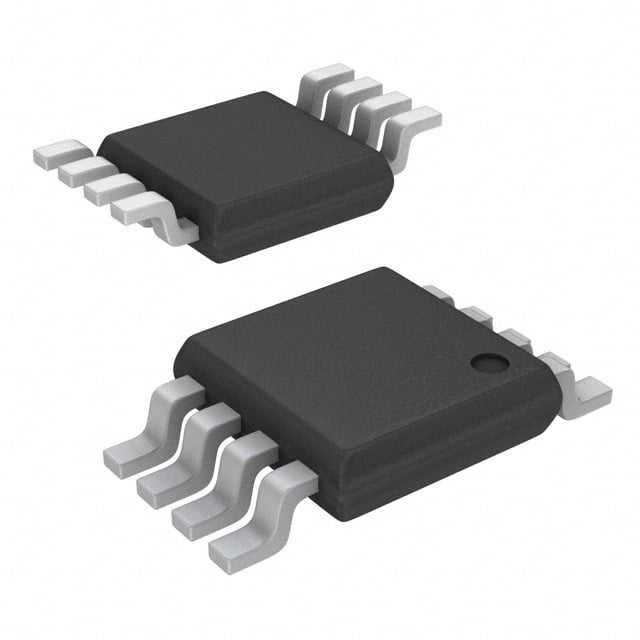
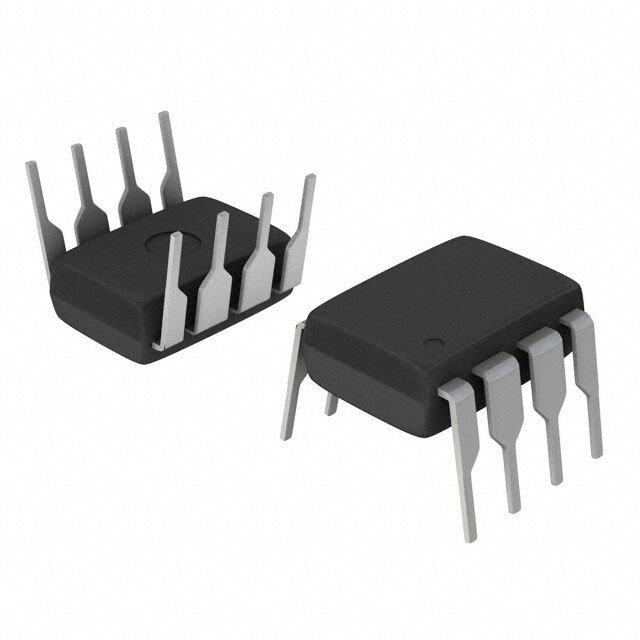
ICGOO电子元器件商城为您提供MAX7420CUA+由Maxim设计生产,在icgoo商城现货销售,并且可以通过原厂、代理商等渠道进行代购。 MAX7420CUA+价格参考。MaximMAX7420CUA+封装/规格:接口 - 滤波器 - 有源, Butterworth, Low Pass Switched Capacitor Filter IC Butterworth, Low Pass Switched Capacitor 5th Order 45kHz 8-uMAX。您可以下载MAX7420CUA+参考资料、Datasheet数据手册功能说明书,资料中有MAX7420CUA+ 详细功能的应用电路图电压和使用方法及教程。
MAX7420CUA+是Maxim Integrated生产的一款有源滤波器,属于接口类器件中的有源滤波器产品。该芯片是一款8阶、巴特沃斯低通滤波器,专为高速通信系统中的信号调理而设计,典型截止频率为3.5MHz,具有出色的通带平坦性和陡峭的滚降特性。

主要应用场景包括:

1. 通信系统:广泛应用于DSL、ADSL、VDSL等宽带接入设备中,用于对模拟信号进行抗混叠滤波或重建滤波,提升信号传输质量。
2. 数据采集系统:在高精度模数转换器(ADC)前端,作为抗混叠滤波器使用,有效抑制高频噪声和干扰信号,确保采样信号的准确性。
3. 工业自动化与测量仪器:适用于需要高稳定性和低失真的信号处理场合,如示波器、频谱分析仪和传感器信号调理电路。
4. 视频信号处理:可用于标清或高清视频信号的滤波处理,改善图像质量,减少高频噪声。

MAX7420CUA+采用24引脚QSOP封装,工作温度范围为-40°C至+85°C,适合工业级应用环境。其内部集成了精密放大器和滤波电路,无需外部精密元件即可实现稳定的滤波特 性,简化了电路设计,提高了系统可靠性。

综上,MAX7420CUA+是一款高性能、集成度高的有源滤波器,适用于对信号完整性要求较高的通信、测量和工业控制等领域。
| 参数 | 数值 |
| 产品目录 | 集成电路 (IC)半导体 |
| 描述 | IC FILTER LOWPASS 5TH 8UMAXActive Filter 5th-Order Lowpass Elliptic Filter |
| 产品分类 | |
| 品牌 | Maxim Integrated |
| 产品手册 | |
| 产品图片 |
|
| rohs | 符合RoHS无铅 / 符合限制有害物质指令(RoHS)规范要求 |
| 产品系列 | 有源滤波器,Maxim Integrated MAX7420CUA+- |
| 数据手册 | |
| 产品型号 | MAX7420CUA+ |
| 产品培训模块 | http://www.digikey.cn/PTM/IndividualPTM.page?site=cn&lang=zhs&ptm=25703http://www.digikey.cn/PTM/IndividualPTM.page?site=cn&lang=zhs&ptm=25705 |
| 产品种类 | 有源滤波器 |
| 供应商器件封装 | 8-uMAX |
| 包装 | 管件 |
| 商标 | Maxim Integrated |
| 安装类型 | 表面贴装 |
| 安装风格 | SMD/SMT |
| 封装 | Tube |
| 封装/外壳 | 8-TSSOP,8-MSOP(0.118",3.00mm 宽) |
| 封装/箱体 | UMAX-8 |
| 工厂包装数量 | 50 |
| 应用说明 | |
| 截止频率 | 30 kHz |
| 最大工作温度 | + 70 C |
| 最小工作温度 | 0 C |
| 标准包装 | 1 |
| 滤波器数 | 1 |
| 滤波器类型 | 巴特沃斯,低通开关电容器 |
| 滤波器阶数 | 5th |
| 电压-电源 | 4.5 V ~ 5.5 V |
| 电源电压-最大 | 5.5 V |
| 电源电压-最小 | 4.5 V |
| 系列 | MAX7420 |
| 通道数量 | 1 Channel |
| 配用 | /product-detail/zh/MAXFILTERBRD%2B/MAXFILTERBRD%2B-ND/2356947 |
| 零件号别名 | MAX7420 |
| 频率-截止或中心 | 45kHz |









PDF Datasheet 数据手册内容提取
19-1821; Rev 0; 11/00 5th-Order, Lowpass, Switched-Capacitor Filters General Description Features M The MAX7418–MAX7425 5th-order, low-pass, switched- (cid:1) 5th-Order, Lowpass Filters A capacitor filters (SCFs) operate from a single +5V Elliptic Response (MAX7418/MAX7421/ X (MAX7418–MAX7421) or +3V (MAX7422–MAX7425) MAX7422/MAX7425) supply. These devices draw only 3mA of supply current 7 Bessel Response (MAX7419/MAX7423) and allow corner frequencies from 1Hz to 45kHz, mak- 4 Butterworth Response (MAX7420/MAX7424) ing them ideal for low-power post-DAC filtering and anti- 1 aliasing applications. They feature a shutdown mode (cid:1) Clock-Turnable Corner Frequency (1Hz to 45kHz) 8 that reduces supply current to 0.2µA. (cid:1) Single-Supply Operation – Two clocking options are available: self-clocking +5V (MAX7418–MAX7421) M (through the use of an external capacitor), or external +3V (MAX7422–MAX7425) clocking for tighter corner-frequency control. An offset A adjust pin allows for adjustment of the DC output level. (cid:1) Low Power X 3mA (Operating Mode) The MAX7418/MAX7422 deliver 53dB of stopband 0.2µA (Shutdown Mode) 7 rejection and a sharp rolloff with a 1.6 transition ratio. 4 The MAX7421/MAX7425 achieve a sharper rolloff with a (cid:1) Available in 8-Pin µMAX Package 2 1.25 transition ratio while still providing 37dB of stop- (cid:1) Low Output Offset: ±4mV band rejection. The MAX7419/MAX7423 Bessel filters 5 provide low overshoot and fast settling, and the Ordering Information MAX7420/MAX7424 Butterworth filters provide a maxi- mally flat passband response. Their fixed response sim- PART TEMP. RANGE PIN-PACKAGE plifies the design task of selecting a clock frequency. MAX7418CUA 0°C to +70°C 8 µMAX Applications MAX7418EUA -40°C to +85°C 8 µMAX MAX7419CUA 0°C to +70°C 8 µMAX ADC Anti-Aliasing CT2 Base Stations MAX7419EUA -40°C to +85°C 8 µMAX DAC Postfiltering Speech Processing MAX7420CUA 0°C to +70°C 8 µMAX Selector Guide MAX7420EUA -40°C to +85°C 8 µMAX MAX7421CUA 0°C to +70°C 8 µMAX OPERATING MAX7421EUA -40°C to +85°C 8 µMAX PART FILTER RESPONSE VOLTAGE (V) Ordering Information continued at end of data sheet. MAX7418 r = 1.6 +5 MAX7419 Bessel +5 Typical Operating Circuit MAX7420 Butterworth +5 MAX7421 r = 1.25 +5 VSUPPLY Selector Guide continued at end of data sheet. Pin Configuration 0.1µF VDD SHDN TOP VIEW INPUT IN OUT OUTPUT COM 1 8 CLK MAX7418– MAX7425 IN 2 7 SHDN MAX7418– CLOCK CLK COM GND 3 MAX7425 6 OS OS 0.1µF VDD 4 5 OUT GND µMAX ________________________________________________________________Maxim Integrated Products 1 For free samples and the latest literature, visit www.maxim-ic.com or phone 1-800-998-8800. For small orders, phone 1-800-835-8769.
5th-Order, Lowpass, Switched-Capacitor Filters 5 ABSOLUTE MAXIMUM RATINGS 2 VDDto GND..............................................................-0.3V to +6V Operating Temperature Ranges 4 IN, OUT, COM, OS, CLK, SHDN................-0.3V to (VDD+ 0.3V) MAX74 _ _C_A ...................................................0°C to +70°C OUT Short-Circuit Duration.......................................................1s MAX74 _ _E_A ................................................-40°C to +85°C 7 Continuous Power Dissipation (TA= +70°C) Junction Temperature......................................................+150°C X 8-Pin µMAX (derate 4.1mW/°C above +70°C).............330mW Storage Temperature Range.............................-65°C to +160°C Lead Temperature (soldering, 10s).................................+300°C A M Stresses beyond those listed under “Absolute Maximum Ratings” may cause permanent damage to the device. These are stress ratings only, and functional operation of the device at these or any other conditions beyond those indicated in the operational sections of the specifications is not implied. Exposure to – absolute maximum rating conditions for extended periods may affect device reliability. 8 ELECTRICAL CHARACTERISTICS—MAX7418–MAX7421 1 4 (VDD = +5V, filter output measured at OUT, 10kΩ || 50pF load to GND at OUT, OS = COM, 0.1µF capacitor from COM to GND, 7 SHDN= VDD, fCLK= 2.2MHz, TA= TMINto TMAX, unless otherwise noted. Typical values are at TA= +25°C.) X PARAMETER SYMBOL CONDITIONS MIN TYP MAX UNITS A FFIILLTTEERR CCHHAARRAACCTTEERRIISSTTIICCSS M Corner Frequency fc VIN= 4Vp-p (Note 1) 0.001 to 30 kHz Clock-to-Corner Ratio fCLK/fC 100:1 Clock-to-Corner Tempco 10 ppm/°C Output Voltage Range 0.25 VDD- 0.25 V Output Offset Voltage VOFFSET VIN= VCOM= VDD / 2 ±4 ±25 mV DC Insertion Gain with VCOM = VDD / 2 MAX7418/MAX7421 0 0.2 0.4 dB Output Offset Removed (Note 2) MAX7419/MAX7420 -0.2 0 +0.2 MAX7418 -76 fIN= 2KHz, Total Harmonic Distortion THD+N VIN= 4Vp-p, MAX7419 -78 dB plus Noise measurement MAX7420 -67 bandwidth = 80kHz MAX7421 -78 Offset Voltage Gain AOS OS to OUT 1 V/V Input, COM externally driven 2.0 2.5 3.0 COMVoltage Range VCOM V Output, COM unconnected 2.3 2.5 2.7 Input Voltage Range at OS VOS Input, OS externally driven VCOM ±0.1 V Input Resistance at COM RCOM 100 140 kΩ Clock Feedthrough 5 mVp-p Resistive Output Load Drive RL 10 1 kΩ Maximum Capacitive Output CL 50 500 pF Load Drive Input Leakage Current at COM SHDN= GND, VCOM= 0 to VDD ±0.1 ±10 µA Input Leakage Current at OS VOS= 0 to VDD ±0.1 ±10 µA CCLLOOCCKK Internal Oscillator Frequency fOSC C3)OSC= 1000pF (Note MMAAXX77441198//MMAAXX77442201 8668 18170 113056 kHz Clock Output Current MAX7418/MAX7421 ±40 ±60 (Internal Oscillator Mode) ICLK VCLK= 0 or 5V MAX7419/MAX7420 ±50 ±75 µA Clock Input High VIH 4.5 V Clock Input Low VIL 0.5 V 2 _______________________________________________________________________________________
55tthh--OOrrddeerr,, LLoowwppaassss,, SSwwiittcchheedd--CCaappaacciittoorr FFiilltteerrss ELECTRICAL CHARACTERISTICS—MAX7418–MAX7421 (continued) M (VDD = +5V, filter output measured at OUT, 10kΩ || 50pF load to GND at OUT, OS = COM, 0.1µF capacitor from COM to GND, A SHDN= VDD, fCLK= 2.2MHz, TA= TMINto TMAX, unless otherwise noted. Typical values are at TA= +25°C.) X PARAMETER SYMBOL CONDITIONS MIN TYP MAX UNITS 7 POWER REQUIREMENTS 4 Supply Voltage VDD 4.5 5.5 V 1 Operating mode, no MAX7418/MAX7421 2.9 3.6 Supply Current IDD load MAX7419/MAX7420 3.4 4.1 mA 8 – Shutdown Current ISHDN SHDN= GND 0.2 1 µA M Power-Supply Rejection Ratio PSRR IN = COM (Note 4) 70 dB A SHUTDOWN X SHDNInput High VSDH 4.5 V 7 SHDNInput Low VSDL 0.5 V 4 SHDNInput Leakage Current VSHDN= 0 to VDD ±0.2 ±10 µA 2 ELECTRICAL CHARACTERISTICS—MAX7422–MAX7425 5 (VDD= +3V, filter output measured at OUT pin, 10kΩ|| 50pF load to GND at OUT, OS = COM, 0.1µF capacitor from COM to GND, SHDN= VDD, fCLK= 2.2MHz, TA= TMINto TMAX, unless otherwise noted. Typical values are at TA= +25°C.) PARAMETER SYMBOL CONDITIONS MIN TYP MAX UNITS FFIILLTTEERR CCHHAARRAACCTTEERRIISSTTIICCSS Corner-Frequency Range fC V(NINot=e 21.)5Vp-p MMAAXX77442232//MMAAXX77442245 01.0000:11 ttoo 4455 kHz Clock-to-Corner Ratio fCLK/fC 100:1 Clock-to-Corner Tempco 10 ppm/°C Output Voltage Range 0.25 VDD- 0.25 V Output Offset Voltage VOFFSET VIN= VCOM= VDD / 2 ±4 ±25 mV DC Insertion Gain with Output VCOM= VDD / 2 MAX7422/MAX7425 0 0.2 0.4 dB Offset Removed (Note 2) MAX7423/MAX7424 -0.2 0 +0.2 MAX7422 -80 fIN= 2kHz, Total Harmonic Distortion plus THD+N VIN= 2.5Vp-p, MAX7423 -81 dB Noise measurement MAX7424 -70 bandwidth = 80kHz MAX7425 -80 Offset Voltage Gain AOS OS to OUT 1 V/V Input, COM externally driven 1.4 1.5 1.6 COMVoltage Range VCOM V Output, COM internally driven 1.4 1.5 1.6 Input Voltage Range at OS VOS Measured with respect to COM VCOM ±0.1 V Input Resistance at COM RCOM 100 140 kΩ Clock Feedthrough 3 mVp-p Resistive Output Load Drive RL 10 1 kΩ Maximum Capacitive Load CL 50 500 pF at OUT Input Leakage Current at COM SHDN= GND, VCOM= 0 to VDD ±0.1 ±10 µA Input Leakage Current at OS VOS= 0 to VDD ±0.1 ±10 µA _______________________________________________________________________________________ 3
5th-Order, Lowpass, Switched-Capacitor Filters 5 ELECTRICAL CHARACTERISTICS—MAX7422–MAX7425 (continued) 2 (VDD= +3V, filter output measured at OUT pin, 10kΩ|| 50pF load to GND at OUT, OS = COM, 0.1µF capacitor from COM to GND, 4 SHDN= VDD, fCLK= 2.2MHz, TA= TMINto TMAX, unless otherwise noted. Typical values are at TA= +25°C.) 7 PARAMETER SYMBOL CONDITIONS MIN TYP MAX UNITS X CLOCK A M Internal Oscillator Frequency fOSC C(NOoSteC 3=) 1000pF MMAAXX77442232//MMAAXX77442245 6886 18170 113065 kHz – Clock Output Current (Internal MAX7422/MAX7425 68 87 106 8 Oscillator Mode) ICLK MAX7423/MAX7424 86 110 135 kHz 1 Clock Input High VIH 2.5 4 Clock Input Low VIL 0.5 7 POWER REQUIREMENTS X Supply Voltage VDD 2.7 3.6 V A Operating mode, MAX7422/MAX7425 2.6 3.4 M Supply Current IDD no load MAX7423/MAX7424 3.0 3.8 mA Shutdown Current I SHDN= GND 0.2 1 µA SHDN Power-Supply Rejection Ratio PSRR Measured at DC 70 dB SHUTDOWN SHDNInput High VSDH 2.5 V SHDNInput Low VSDL 0.5 V SHDNInput Leakage Current VSHDN= 0 to VDD ±0.2 ±10 µA 4 _______________________________________________________________________________________
5th-Order, Lowpass, Switched-Capacitor Filters FILTER CHARACTERISTICS M (VDD= +5V for MAX7418-MAX7420, VDD= +3V for MAX7422-MAX7425 filter output measured at OUT, 10kΩ||50pF load to GND at A OUT, SHDN= VDD, fCLK= 2.2MHz, TA = TMINto TMAX,unless otherwise noted.) X PARAMETER CONDITIONS MIN TYP MAX UNITS 7 ELLIPTIC, R = 1.2—MAX7421/MAX7425 4 fIN= 0.38fC -0.4 -0.2 0.4 1 fIN= 0.68fC -0.4 -0.2 0.4 8 fIN= 0.87fC -0.4 -0.2 0.4 – Insertion Gain with DCGain fIN= 0.97fC -0.4 -0.2 0.4 M dB Error Removed (Note 4) fIN= fC -0.7 -0.2 0.2 A fIN= 1.25fC -36 -33 X fIN= 1.43fC -37.2 -35 7 fIN= 3.25fC -37.2 -35 4 BESSEL FILTERS—MAX7419/MAX7423 2 fIN= 0.5fC -1 -0.74 5 Insertion Gain Relative to fIN= fC -3.6 -3.0 -2.4 dB DCGain fIN= 4fC -41.0 -35 fIN= 7fC -67 -60 BESSEL FILTERS—MAX7419/MAX7423 fIN= 0.5fC -1.0 -0.74 Insertion Gain Relative to fIN= 4fC -3.6 -3.0 -2.4 dB DCGain fIN= 7fC -41.0 -35 fIN= 7fC -67 -60 BBEUSTTSEERL WFIOLRTETRHS F—ILMTEARXS74—0M9/AMXA7X472401/M3AX7424 fIN= 0.5fC -0.3 0 Insertion Gain Relative to fIN= fC -3.6 -3.0 -2.4 dB DCGain fIN= 3fC -47.5 -43 fIN= 5fC -70 -65 Note 1: The maximum fCis defined as the clock frequency fCLK= 100 x fCat which the peak S / (THD+N) drops to 68dB with a sinusoidal input at 0.2fC. Maximum fC increases as VINsignal amplitude decreases. Note 2: DC insertion gain is defined as ΔVOUT / ΔVIN. Note 3: MAX7418/MAX7421/MAX7422/MAX7425: fOSC(kHz) ≅ 87x103/ COSC(pF). MAX7419/MAX7420/MAX7423/MAX7424: fOSC(kHz) ≅ 110x103/ COSC(pF). Note 4: PSRR is the change in output voltage from a VDDof 4.5V and a VDDof 5.5V. _______________________________________________________________________________________ 5
5th-Order, Lowpass, Switched-Capacitor Filters 5 __________________________________________Typical Operating Characteristics 2 (VDD= +5V for MAX7418–MAX7421, VDD= +3V for MAX7422–MAX7425; fCLK= 2.2MHz; SHDN= VDD; VCOM= VOS= VDD/ 2; 4 TA= +25°C; unless otherwise noted.) 7 MAX7418/MAX7422 MAX7419/MAX7423 MAX7420/MAX7424 X FREQUENCY RESPONSE (ELLIPTIC, R = 1.6) FREQUENCY RESPONSE (BESSEL) FREQUENCY RESPONSE (BUTTERWORTH) MA -11000 MAX7418 toc01 100 MAX7418 toc02 -11000 MAX7418 toc03 – -20 -10 8 -20 41 GAIN (dB) ---543000 GAIN (dB) --2300 GAIN (dB) --3400 7 -60 -40 -50 X -70 -60 -50 A -80 -70 M -90 -60 -80 0 20 40 60 80 100 0 20 40 60 80 100 0 20 40 60 80 100 INPUT FREQUENCY (kHz) INPUT FREQUENCY (kHz) INPUT FREQUENCY (kHz) MAX7418/MAX7422 MAX7419/MAX7423 MAX7421/MAX7425 PASSBAND FREQUENCY RESPONSE PASSBAND FREQUENCY RESPONSE FREQUENCY RESPONSE (ELLIPTIC, R = 1.25) (ELLIPTIC, R = 1.6) (BESSEL) -11000 MAX7418 toc04 00..24 MAX7418 toc05 -00..055 MAX7418 toc06 -20 0 -1.0 GAIN (dB) ---543000 GAIN (dB)--00..24 GAIN (dB) --12..50 -2.5 -60 -0.6 -70 -3.0 -80 -0.8 -3.5 -90 -1.0 -4.0 0 20 40 60 80 100 0 4.5 9.0 13.5 18.0 22.5 0 4.5 9.0 13.5 18.0 22.5 INPUT FREQUENCY (kHz) INPUT FREQUENCY (kHz) INPUT FREQUENCY (kHz) MAX7421/MAX7425 MAX7420/MAX7424 PASSBAND FREQUENCY RESPONSE MAX7418/MAX7422 PASSBAND FREQUENCY RESPONSE (ELLIPTIC, R = 1.25) PHASE RESPONSE (ELLIPTIC, R = 1.6) (BUTTERWORTH) -00..055 MAX7418 toc07 00..24 MAX7418 toc08 S)-1-05000 MAX7418 toc09 -1.0 0 REE-150 G GAIN (dB) --12..50 GAIN (dB)--00..24 E SHIFT (DE--220500 -2.5 HAS-300 -0.6 P -3.0 -350 -3.5 -0.8 -400 -4.0 -1.0 -450 0 4.5 9.0 13.5 18.0 22.5 0 4.5 9.0 13.5 18.0 22.5 0 4 8 12 16 20 24 28 INPUT FREQUENCY (kHz) INPUT FREQUENCY (kHz) INPUT FREQUENCY (kHz) 6 _______________________________________________________________________________________
5th-Order, Lowpass, Switched-Capacitor Filters ____________________________Typical Operating Characteristics (continued) M (VDD= +5V for MAX7418–MAX7421, VDD= +3V for MAX7422–MAX7425; fCLK= 2.2MHz; SHDN= VDD; VCOM= VOS= VDD/ 2; A TA= +25°C; unless otherwise noted.) X MAX7419/MAX7423 MAX7420/MAX7424 MAX7424/MAX7425 7 PHASE RESPONSE (BESSEL) PHASE RESPONSE (BUTTERWORTH) PHASE RESPONSE (ELLIPTIC, R = 1.25) -500 MAX7418 toc10 -500 MAX7418 toc11 -1-05000 MAX7418 toc12 418 PHASE SHIFT (DEGREES)--110500 PHASE SHIFT (DEGREES)----212155000000 PHASE SHIFT (DEGREES)----223105050000 –MAX7 -350 -200 -300 4 -400 2 -250 -350 -450 0 4 8 12 16 20 24 28 0 4 8 12 16 20 24 28 0 4 8 12 16 20 24 28 5 INPUT FREQUENCY (kHz) INPUT FREQUENCY (kHz) INPUT FREQUENCY (kHz) MAX7418 MAX7419 MAX7420 THD + NOISE vs. INPUT SIGNAL AMPLITUDE THD + NOISE vs. INPUT SIGNAL AMPLITUDE THD + NOISE vs. INPUT SIGNAL AMPLITUDE (ELLIPTIC, R = 1.6) (BESSEL) (BUTTERWORTH) --12000 SEE TABLE A MAX7418 toc13 --12000 SEE TABLE A MAX7418 toc14 --12000 SEE TABLE A MAX7418 toc15 THD + N (dB) ---453000 THD + N (dB) ---453000 THD + N (dB) ---453000 -60 -60 -60 -70 D -70 D -70 D -80 -80 -80 -90 E -90 E -90 E 0 1 2 3 4 5 0 1 2 3 4 5 0 1 2 3 4 5 AMPLITUDE (Vp-p) AMPLITUDE (Vp-p) AMPLITUDE (Vp-p) MAX7421 MAX7422 MAX7423 THD + NOISE vs. INPUT SIGNAL AMPLITUDE THD + NOISE vs. INPUT SIGNAL AMPLITUDE THD + NOISE vs. INPUT SIGNAL AMPLITUDE (ELLIPTIC, R = 1.25) (ELLIPTIC, R = 1.6) (BESSEL) --12000 SEE TABLE A MAX7418 toc16 --12000 SEE TABLE A MAX7418 toc17 --12000 SEE TABLE A MAX7418 toc18 -30 -30 -30 THD + N (dB) --4500 THD + N (dB) --4500 THD + N (dB) --4500 -60 -60 -60 A -70 D -70 A B -70 B -80 -80 -80 E C C -90 -90 -90 0 1 2 3 4 5 0 0.5 1.0 1.5 2.0 2.5 3.0 0 0.5 1.0 1.5 2.0 2.5 3.0 AMPLITUDE (Vp-p) AMPLITUDE (Vp-p) AMPLITUDE(Vp-p) _______________________________________________________________________________________ 7
5th-Order, Lowpass, Switched-Capacitor Filters 5 ____________________________Typical Operating Characteristics (continued) 2 (VDD= +5V for MAX7418–MAX7421, VDD= +3V for MAX7422–MAX7425; fCLK= 2.2MHz; SHDN= VDD; VCOM= VOS= VDD/ 2; 4 TA= +25°C; unless otherwise noted.) 7 MAX7424 MAX7425 X THD + NOISE vs. INPUT SIGNAL AMPLITUDE THD + NOISE vs. INPUT SIGNAL AMPLITUDE INTERNAL OSCILLATOR FREQUENCY A (BUTTERWORTH) (ELLIPTIC, R = 1.25) vs. SMALL CAPACITANCE (pF) 0 0 7000 –M --2100 SEE TABLE A MAX7418 toc19 --2100 SEE TABLE A MAX7418 toc20 Hz)6000 MAX7418 toc21 8 Y (k5000 -30 -30 C X741 THD + N (dB) ---456000 A B THD + N (dB) ---456000 A CILLATOR FREQUEN243000000000 ELLIPTIC BESSEL/BUTTERWORTH A -70 -70 B OS 1000 -80 -80 M C C -90 -90 0 0 0.5 1.0 1.5 2.0 2.5 3.0 0 0.5 1.0 1.5 2.0 2.5 3.0 1 10 100 1000 10000 AMPLITUDE (Vp-p) AMPLITUDE (Vp-p) CAPACITANCE ( pF) INTERNAL OSCILLATOR FREQUENCY ELLIPTIC INTERNAL OSCILLATOR ELLIPTIC INTERNAL OSCILLATOR vs. LARGE CAPACITANCE (nF) FREQUENCY vs. SUPPLY VOLTAGE FREQUENCY vs. TEMPERATURE Y (Hz) 56 MAX7418 toc22 Y (kHz)8867..50 MAX7418 toc23 Y (kHz)8867..50 VDD = 3V MAX7418 toc24 NC 4 NC86.0 NC86.0 UE UE UE Q Q Q RE 3 BESSEL/BUTTERWORTH RE85.5 RE85.5 OSCILLATOR 2 ELLIPTIC OSCILLATOR F85.0 OSCILLATOR F85.0 VDD = 5V 1 84.5 84.5 COSC = 1000PF COSC = 1000PF 0 84.0 84.0 10 100 1000 2.5 3.0 3.5 4.0 4.5 5.0 5.5 -40 -15 10 35 60 85 CAPACITANCE (nF) SUPPLY VOLTAGE (V) TEMPERATURE (°C) ELLIPTIC SUPPLY CURRENT ELLIPTIC SUPPLY CURRENT vs. SUPPLY VOLTAGE vs. TEMPERATURE A) 33..13 MAX7418 toc25 A) 23..90 VDD = 5V MAX7418 toc26 TLaAbBEleL A(kf.HINz) (kfHCz) (fkCHLzK) (kBHWz) μ m URRENT ( 2.9 URRENT ( 2.8 AB 22 3202 32020000 8800 C C SUPPLY 2.7 SUPPLY 2.7 VDD = 3V CD 12 1202 12020000 2820 2.5 2.6 E 1 10 1000 22 2.3 2.5 2.5 3.0 3.5 4.0 4.5 5.0 5.5 -40 -15 10 35 60 85 SUPPLY VOLTAGE (V) TEMPERATURE (°C) 8 _______________________________________________________________________________________
5th-Order, Lowpass, Switched-Capacitor Filters Typical Operating Characteristics (continued) M (VDD = +5V for MAX7418–MAX7421, VDD = +3V for MAX7422–MAX7425; fCLK = 2.2MHz; SHDN = VDD; VCOM = VOS = VDD/ 2; A TA= +25°C; unless otherwise noted.) X DC OFFSET VOLTAGE DC OFFSET VOLTAGE 7 vs. TEMPERATURE vs. SUPPLY VOLTAGE 4 23..50 MAX7418 toc27 22..05 MAX7418 toc28 18 GE (mV) 2.0 VDD = 5V GE (mV) –M A A 1.5 VOLT 1.5 VOLT A OFFSET 1.0 OFFSET 1.0 X C C 7 D VDD = 3V D 0.5 0.5 4 2 0 0 5 -40 -15 10 35 60 85 2.5 3.0 3.5 4.0 4.5 5.0 5.5 TEMPERATURE (°C) SUPPLY VOLTAGE (V) Pin Description PIN NAME FUNCTION Common Input Pin. Biased internally at midsupply. Bypass COM externally to GND with a 0.1µF capacitor. 1 COM To override internal biasing, drive COM with an external supply. 2 IN Filter Input 3 GND Ground 4 VDD P0.o1sµitFiv cea Spuapcpitloyr .Input: +5V for MAX7418–MAX7421, +3V for MAX7422–MAX7425. Bypass VDD to GND with a 5 OUT Filter Output Offset Adjust Input. To adjust output offset, connect OS to an external supply through a resistive voltage- 6 OS divider (Figure 4). Connect OS to COM if no offset adjustment is needed. The Offset and Common-Mode Input Adjustment section. 7 SHDN Shutdown Input. Drive low to enable shutdown mode; drive high or connect to VDDfor normal operation. Clock Input. Connect an external capacitor (COSC) from CLK to ground. To override the internal oscillator, 8 CLK connect CLK to an external clock: fC= fCLK/100. _______________Detailed Description produce higher order filters. The advantage to this approach is ease of design. However, this type of The MAX7418/MAX7421/MAX7422/MAX7425 elliptic design is highly sensitive to component variations if any lowpass filters provide sharp rolloff with good stopband section’s Q is high. The MAX7418–MAX7425 use an rejection. The MAX7419/MAX7423 Bessel filters provide alternative approach, which is to emulate a passive net- low overshoot and fast settling responses, and the work using switched-capacitor integrators with sum- MAX7420/MAX7424 Butterworth filters provide a maxi- ming and scaling. The passive network may be mally flat passband response. All parts operate with a synthesized using CAD programs, or may be found in 100:1 clock-to-corner frequency ratio. many filter books. Figure 1 shows a basic 5th-order lad- Most switch capacitor filters (SCFs) are designed with der filter structure. biquadratic sections. Each section implements two pole-zero pairs, and the sections can be cascaded to _______________________________________________________________________________________ 9
5th-Order, Lowpass, Switched-Capacitor Filters 5 delay all frequency components equally, preserving the 2 line up shape of step inputs (subject to the attenuation 4 RS L2 L4 of the higher frequencies). Bessel filters settle quickly— an important characteristic in applications that use a 7 + multiplexer (mux) to select an input signal for an ana- X - VIN C1 C3 C5 RL log-to-digital converter (ADC). An anti-aliasing filter A placed between the mux and the ADC must settle quickly after a new channel is selected. M Butterworth Characteristics – Lowpass Butterworth filters such as the MAX7420/ 8 Figure 1. 5th-Order Ladder Filter Network MAX7424 provide a maximally flat passband response, 1 making them ideal for instrumentation applications that 4 An SCF that emulates a passive ladder filter retains require minimum deviation from the DC gain throughout many of the same advantages. The component sensi- 7 the passband. tivity of a passive ladder filter is low when compared to X a cascaded biquadratic design because each compo- The difference between Bessel and Butterworth filters A nent affects the entire filter shape rather than a single can be observed when a 1kHz square wave is applied pole-zero pair. In other words, a mismatched compo- to the filter input (Figure 3, trace A). With the filter cutoff M nent in a biquadratic design has a concentrated error frequencies set at 5kHz, trace B shows the Bessel filter on its respective poles, while the same mismatch in a response and trace C shows the Butterworth filter ladder filter design spreads its error over all poles. response. Elliptic Characteristics Clock Signal Lowpass elliptic filters such as the MAX7418/MAX7421/ External Clock MAX7422/MAX7425 provide the steepest possible These SCFs are designed for use with external clocks rolloff with frequency of the four most common filter that have a 40% to 60% duty cycle. When using an types (Butterworth, Bessel, Chebyshev, and elliptic). external clock, drive the CLK pin with a CMOS gate The high-Q value of the poles near the passband edge powered from 0 to VDD. Varying the rate of the external combined with the stopband zeros allow for the sharp clock adjusts the corner frequency of the filter: attenuation characteristic of elliptic filters, making these f devices ideal for anti-aliasing and post-DAC filtering in f = CLK single-supply systems (see Anti-Aliasing and Post-DAC C 100 Filtering). In the frequency domain, the first transmission zero causes the filter’s amplitude to drop to a minimum level (Figure 2). Beyond this zero, the response rises as the frequency increases until the next transmission zero. RIPPLE The stopband begins at the stopband frequency, fS. At frequencies above fS, the filter’s gain does not exceed the gain at fS. The corner frequency, fC, is defined as fC the point at which the filter output attenuation falls just TRANSITION RATIO = fS fC below the passband ripple. The transition ratio (r) is B) d dcoerfnineer dfr eaqsu ethnec yr:a tio of the stopband frequency to the GAIN ( fS r = fS / fC The MAX7418/MAX7422 have a transition ratio of 1.6 and typically 53dB of stopband rejection. The MAX7421/MAX7425 have a transition ratio of 1.25 (pro- PASSBAND STOPBAND viding a steeper rolloff) and typically 37dB of stopband FREQUENCY rejection. fC fS Bessel Characteristics Lowpass Bessel filters such as the MAX7419/MAX7423 Figure 2. Elliptic Filter Response 10 ______________________________________________________________________________________
5th-Order, Lowpass, Switched-Capacitor Filters M VSUPPLY A 0.1μF X 2V/div VDD SHDN 7 A OUT OUTPUT 4 INPUT IN COM 2V/div 1 0.1μF B 50k 8 MAX7418– 2V/div MAX7425 – C CLOCK CLK OS 50k M 0.1μF A 50k 200μs/div GND X A: 1kHz INPUT SIGNAL 7 B: MAX7419 BESSEL FILTER RESPONSE; fC = 5kHz 4 C: MAX7420 BUTTERWORTH FILTER RESPONSE; fC = 5kHz Figure 4. Offset Adjustment Circuit 2 Figure 3. Bessel vs. Butterworth Filter Response 5 Estimate the input impedance of the filter by using the following formula: Internal Clock When using the internal oscillator, the capacitance 1 Z = (COSC) on CLK determines the oscillator frequency: IN (f × C ) CLK IN k fOSC(kHz) = where fCLK= clock frequency and CIN= 1pF. COSC(pF) Low-Power Shutdown Mode where The MAX7418–MAX7425have a shutdown mode that is k=87x103 for the activated by driving SHDN low. In shutdown mode, the filter supply current reduces to 0.2µA, and the output of MAX7418/MAX7421/MAX7422/MAX7425 the filter becomes high impedance. For normal opera- and tion, drive SHDNhigh or connect to VDD. k=110X103for the MAX7419/MAX7420/MAX7423/ MAX7424. Applications Information Offset (OS) and Common-Mode (COM) Since COSCis in the low picofarads, minimize the stray capacitance at CLK so that it does not affect the inter- Input Adjustment nal oscillator frequency. Varying the rate of the internal COM sets the common-mode input voltage and is oscillator adjusts the filter’s corner frequency by a biased at midsupply with an internal resistor-divider. If 100:1 clock-to-corner frequency ratio. For example, an the application does not require offset adjustment, con- internal oscillator frequency of 2.2kHz produces a nom- nect OS to COM. For applications in which offset inal corner frequency of 2.2MHz. adjustment is required, apply an external bias voltage through a resistor-divider network to OS, as shown in Input Impedance vs. Clock Frequencies Figure 4. For applications that require DC level shifting, The MAX7418–MAX7425s’ input impedance is effective- adjust OS with respect to COM. (Note:Do not leave OS ly that of a switched-capacitor resistor (see the following unconnected.) The output voltage is represented by equation), and is inversely proportional to frequency. these equations: The input impedance values determined by the equa- V = (V − V ) +V tion represent the average input impedance, since the OUT IN COM OS input current is not continuous. As a rule, use a driver V = VDD (typical) with an output resistance less than 10% of the filter’s COM 2 input impedance. where (VIN - VCOM) is lowpass filtered by the SCF and OS is added at the output stage. See the Electrical ______________________________________________________________________________________ 11
5th-Order, Lowpass, Switched-Capacitor Filters 5 Characteristicstable for the input voltage range of COM V+ 2 and OS. Changing the voltage on COM or OS signifi- cantly from midsupply reduces the dynamic range. 4 7 Power Supplies X The MAX7418–MAX7421 operate from a single +5V VDD SHDN * supply and the MAX7422–MAX7425 operate from a sin- OUT OUTPUT A gle +3V supply. Bypass VDD to GND with a 0.1µF INPUT IN COM M capacitor. If dual supplies are required, connect COM to the system ground and GND to the negative supply. MAX7418– – MAX7425 8 Figure 5 shows an example of dual-supply operation. V+ 1 Single-supply and dual-supply performance are equiv- V- CLOCK CLK OS alent. For either single-supply or dual-supply operation, 0.1μF 0.1μF 4 drive CLK and SHDN from GND (V- in dual supply GND 7 operation) to VDD. Use the MAX7418–MAX7421 for X ±2.5, and use the MAX7422–MAX7425 for ±1.5V. For ±5V dual-supply applications, refer to the MAX291/ A V- MAX292/MAX295/MAX296 and MAX293/MAX294/ M MAX297 data sheets. *CONNECT SHDN TO V- FOR LOW-POWER SHUTDOWN MODE. Input Signal Amplitude Range Figure 5. Dual-Supply Operation The optimal input signal range is determined by observ- Harmonic Distortion ing the voltage level at which the signal-to-noise plus Harmonic distortion arises from nonlinearities within the distortion (SINAD) ratio is maximized for a given corner filter. These nonlinearities generate harmonics when a frequency. The Typical Operating Characteristicsshow pure sine wave is applied to the filter input. Tables 1, 2, the THD + Noise response as the input signal’s peak-to- and 3 list typical harmonic distortion values with a 10kΩ peak amplitude is varied. load at TA= +25°C. Anti-Aliasing and Post-DAC Filtering When using the MAX7418–MAX7425 for anti-aliasing or post-DAC filtering, synchronize the DAC (or ADC) and the filter clocks. If the clocks are not synchronized, beat frequencies may alias into the desired passband. Table 1. MAX7418/MAX7421/MAX7422/MAX7425 Typical Harmonic Distortion FILTER fCLK fIN VIN TYPICAL HARMONIC DISTORTION (dB) (MHz) (kHz) (Vp-p) 2nd 3rd 4th 5th 2.2 2 <-80 <-80 <-80 <-80 MAX7418 4 1.5 2 <-80 <-80 <-80 <-80 2.2 2 <-80 <-80 <-80 <-80 MAX7421 4 1.5 2 <-80 <-80 <-80 <-80 4.0 4 <-80 <-80 <-80 <-80 MAX7422 2 2.2 2 <-80 <-80 <-80 <-80 4.0 4 <-80 <-80 <-80 <-80 MAX7425 2 2.2 2 <-80 <-80 <-80 <-80 12 ______________________________________________________________________________________
5th-Order, Lowpass, Switched-Capacitor Filters Table 2. MAX7420/MAX7424 Typical Harmonic Distortion M A TYPICAL HARMONIC DISTORTION (dB) FILTER fCLK fIN VIN (MHz) (kHz) (Vp-p) 2nd 3rd 4th 5th X 7 2.2 2 -77 -67 < -80 -76 MAX7420 4 4 1.5 2 < -80 -70 < -80 < -80 1 3.5 3 < -80 -70 < -80 < -80 8 MAX7424 2 2.2 2 < -80 -77 < -80 < -80 – M A Table 3. MAX7419/MAX7423 Typical Harmonic Distortion X TYPICAL HARMONIC DISTORTION (dB) 7 FILTER fCLK fIN VIN (MHz) (kHz) (Vp-p) 2nd 3rd 4th 5th 4 2 2.2 2 < -80 -77 < -80 < -80 MAX7419 4 5 1.5 2 < -80 -80 < -80 < -80 3.5 3 < -80 -75 < -80 < -80 MAX7423 2 2.2 2 < -80 < -80 < -80 < -80 Ordering Information (continued) Selector Guide (continued) PART TEMP. RANGE PIN-PACKAGE OPERATING PART FILTER RESPONSE MAX7422CUA 0°C to +70°C 8 µMAX VOLTAGE (V) MAX7422EUA -40°C to +85°C 8 µMAX MAX7422 r = 1.6 +3 MAX7423CUA 0°C to +70°C 8 µMAX MAX7423 Bessel +3 MAX7423EUA -40°C to +85°C 8 µMAX MAX7424 Butterworth +3 MAX7424CUA 0°C to +70°C 8 µMAX MAX7425 r = 1.25 +3 MAX7424EUA -40°C to +85°C 8 µMAX MAX7425CUA 0°C to +70°C 8 µMAX Chip Information MAX7425EUA -40°C to +85°C 8 µMAX TRANSISTOR COUNT:1457 PROCESS: BiCMOS ______________________________________________________________________________________ 13
5th-Order, Lowpass, Switched-Capacitor Filters 5 ________________________________________________________Package Information 2 4 7 X A M – 8 1 4 7 X α A M α Maxim cannot assume responsibility for use of any circuitry other than circuitry entirely embodied in a Maxim product. No circuit patent licenses are implied. Maxim reserves the right to change the circuitry and specifications without notice at any time. 14 ____________________Maxim Integrated Products, 120 San Gabriel Drive, Sunnyvale, CA 94086 408-737-7600 © 2000 Maxim Integrated Products Printed USA is a registered trademark of Maxim Integrated Products.
Mouser Electronics Authorized Distributor Click to View Pricing, Inventory, Delivery & Lifecycle Information: M axim Integrated: MAX7422EUA+ MAX7422EUA+T MAX7423EUA+ MAX7424CUA+ MAX7425CUA+ MAX7418CUA+ MAX7418CUA+T MAX7418EUA+ MAX7418EUA+T MAX7419CUA+ MAX7419CUA+T MAX7419EUA+T MAX7420CUA+ MAX7420CUA+T MAX7420EUA+T MAX7421CUA+ MAX7421CUA+T MAX7421EUA+T MAX7422CUA+ MAX7422CUA+T MAX7423CUA+ MAX7423CUA+T MAX7423EUA+T MAX7424CUA+T MAX7424EUA+T MAX7425CUA+T MAX7425EUA+T MAX7419EUA+ MAX7424EUA+ MAX7425EUA+ MAX7420EUA+ MAX7421EUA+